
Insights
J.S. Held Strengthens Forensic Accounting Expertise for Marital and Commercial Disputes with Acquisition of Forensic Accountants & Consultants
Read MoreArtificial intelligence (AI) is reshaping heavy industries—including energy, manufacturing, and natural resources—by driving efficiencies, reducing costs, enhancing safety, and enabling smarter regulatory compliance. Successful deployment of AI in complex operating environments hinges critically on effective data governance, analytics, architecture, and integration into broader organizational processes.
There are proven methodologies which can be extended into scalable, enterprise-wide AI solutions. With a structured approach anchored in “People, Process, Data, and Technology,” expert consultants can facilitate the rapid realization of value from AI initiatives, enhancing operational performance and compliance across heavy industries.
This paper will illustrate how a properly structured digital solutions framework seamlessly transitions to support successful enterprise AI implementations.
Industries today face increasing pressure from evolving regulations, investor expectations, sustainability mandates, and operational complexities, fueling the urgency for digital transformation. Regulatory compliance, traditionally managed through isolated systems and manual processes, now requires robust digital solutions.
Deploying AI solutions shares fundamental parallels with sustainability and environmental, health, and safety (EHS) digital transformations—particularly concerning data governance, quality management, system integration, and organizational readiness. Leveraging proven methodologies from sustainability/EHS implementations, it is possible to effectively addresses these critical areas, allowing enterprises to navigate successful AI transformations rooted in comprehensive data strategies and disciplined frameworks.
Organizations in energy and heavy industries routinely confront significant sustainability/EHS challenges, including regulatory compliance complexities, fragmented data ecosystems, poor data quality, and inefficient manual processes. These challenges delay critical decision-making, elevate risks, and inflate operational expenses.
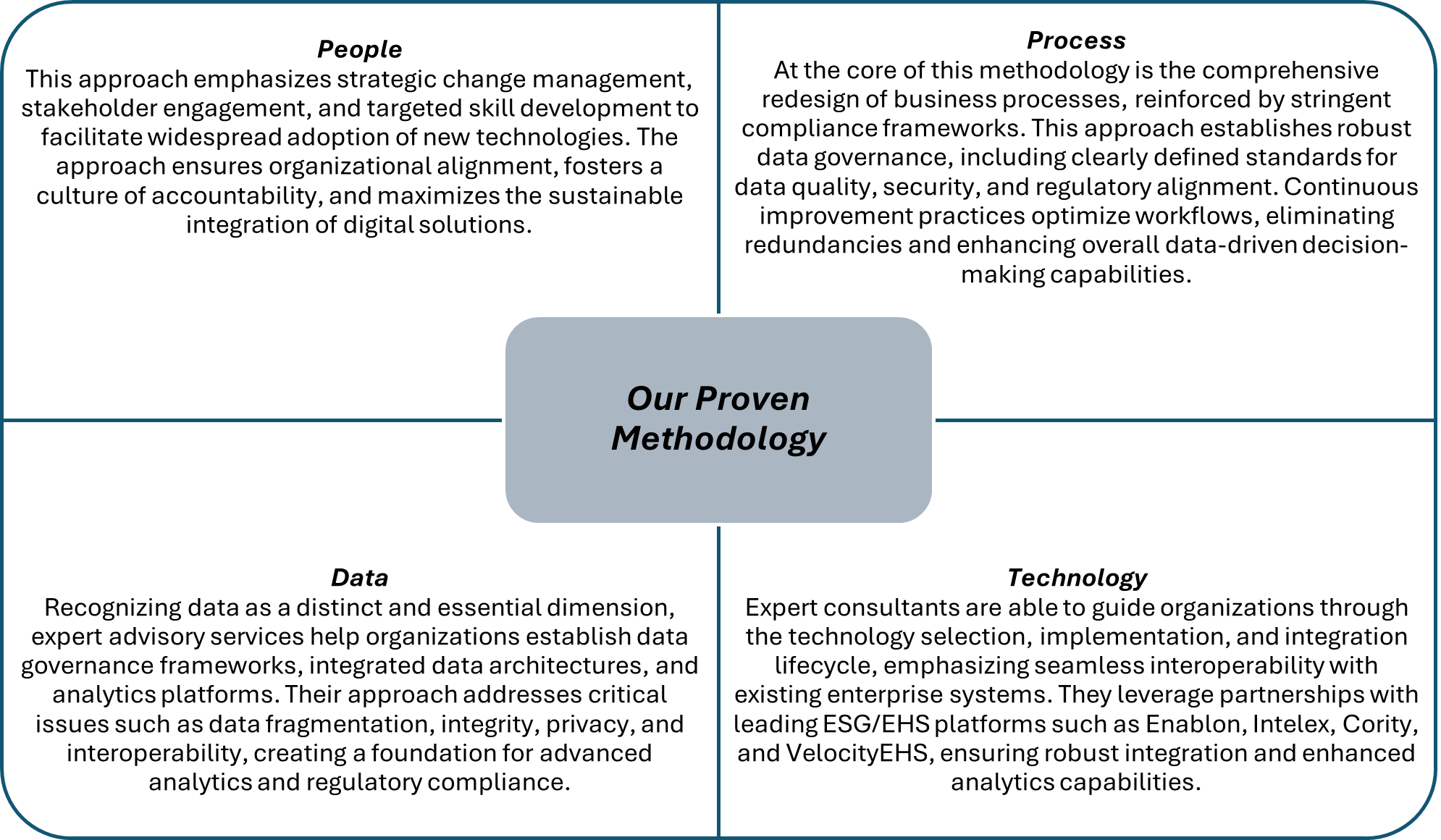
Figure 1 – A digital framework for AI-ready enterprise solutions.
Structured digital transformations following this methodology have consistently delivered measurable outcomes:
The capabilities essential to sustainability/EHS transformations—managing complex business processes, ensuring data quality and governance, and facilitating cross-functional collaboration—are directly transferable to AI initiatives.
Organizations frequently encounter challenges in AI adoption, including unclear returns on investment, risks related to AI model transparency and compliance, fragmented data, and isolated, siloed pilot projects. Effective AI implementation necessitates the structured, disciplined approach characteristic of successful sustainability/EHS digital transformations.
People
It is advisable to develop internal AI capabilities through tailored workforce training and establishing robust AI governance frameworks. Through this process it is possible to support a responsible AI culture, enhancing stakeholder understanding, engagement, and readiness for AI adoption.
Process
By leveraging phased, iterative methodologies specific to AI implementations, ethical AI practices (principles and actions that ensure artificial intelligence is developed and used in ways that are fair, transparent, accountable, and beneficial to society) and compliance frameworks are integrated directly into operational workflows. This works hand-in-hand with establishing specialized governance standards for AI data, incorporating rigorous data quality assurance and integration protocols, and embedding AI capabilities securely and transparently into business processes.
Data
Data governance and analytics are foundational to AI implementation success. This entails the use of comprehensive data strategies, including designing AI-centric data architectures, establishing high-quality data pipelines, and leveraging predictive analytics and real-time monitoring capabilities to deliver operational and strategic insights.
Technology
Evaluating, selecting, and deploying scalable AI infrastructure solutions—whether cloud-based, hybrid, or on-premises, is also key to success. It is important to rigorously vet AI technology vendors and ensure seamless integration with existing systems (e.g., enterprise resource planning [ERP], supervisory control and data acquisition [SCADA], production, and asset management platforms), optimizing performance and maximizing value realization.
A major operator in the North American energy sector sought to evaluate its organizational readiness for enterprise-scale AI adoption. While the organization had already invested in several digital tools—particularly in health, safety, and environmental management—leadership recognized the need for a strategic, structured approach to identify AI opportunities, mitigate risks, and ensure responsible deployment. J.S. Held was engaged to lead a two-phase AI Readiness Assessment focused on evaluating existing capabilities and defining a forward-looking roadmap tailored to high-value use cases in safety, operations, and compliance.
J.S. Held began with a comprehensive assessment of the client’s existing digital landscape, focusing on people, process, data, and technology dimensions. This included:
Building on Phase 1, we curated a set of AI use cases aligned with the organization’s safety and operational priorities. These included advanced incident prediction, automated documentation workflows, and real-time safety monitoring.
The AI readiness assessment concluded with a detailed implementation roadmap and value realization framework. Immediate next steps included exploration of a chatbot proof-of-concept integrated with Enablon and initiation of broader AI governance improvements. The engagement positioned the organization to scale AI adoption responsibly while maximizing efficiency and safety impact across operations.
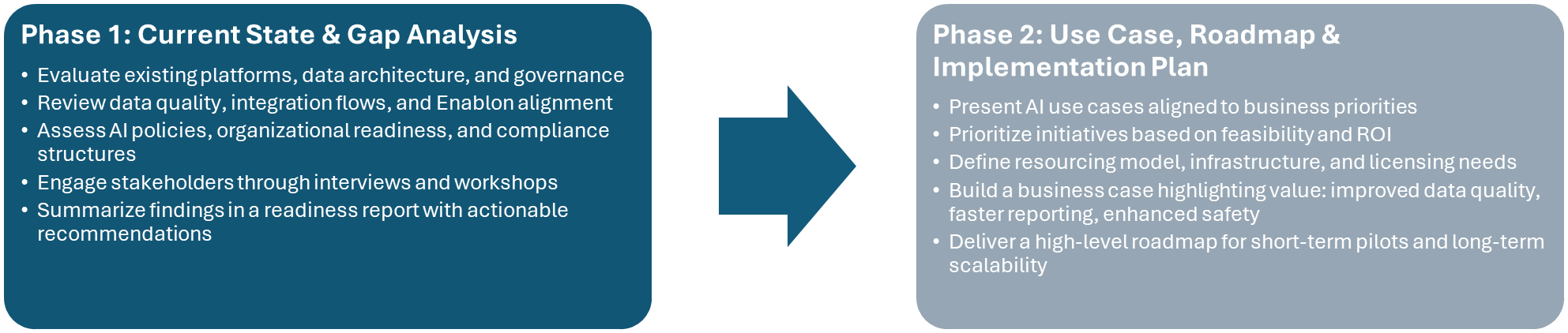
Figure 2 – Translating AI readiness into business impact.
Upon completion of the AI Readiness Assessment, the organization received a comprehensive suite of deliverables that established a clear and actionable foundation for responsible, enterprise-wide AI adoption:
This engagement provided stakeholders with the strategic clarity and technical grounding needed to move confidently from vision to execution. Based on internal alignment and modeled projections, anticipated impacts included:
By establishing a governance-backed, data-driven roadmap, the organization positioned itself to scale AI capabilities with confidence—ensuring alignment with business objectives, regulatory requirements, and long-term digital strategy.
In a landscape where many AI initiatives stall due to fragmented planning, unclear ROI, or governance missteps, the methodology described in this paper stands apart with a structured, data-centric approach that blends strategic foresight with operational pragmatism. This framework, refined with the backing of over two decades of digital transformation experience, is engineered to de-risk AI adoption and accelerate time to value.
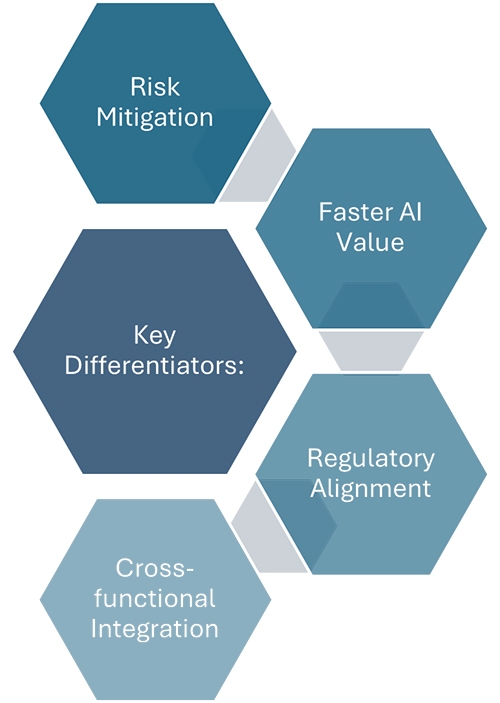
Figure 3 – Keys to sustainable AI implementation.
As AI matures from experimentation to enterprise-critical infrastructure, the need for structured implementation frameworks will only grow. The approach detailed herein not only delivers near-term impact but also builds the organizational and technical foundation required for long-term success.
Leveraging these proven digital transformation methodologies provides enterprises in energy and heavy industry sectors with a solid foundation for successful AI implementation. This structured approach, encompassing People, Process, Data, and Technology dimensions, ensures reliable outcomes, sustainable operational efficiencies, and enhanced regulatory compliance. Organizations partnering with the right experts versed in these methodologies can confidently pursue strategic AI investments, securing competitive advantages and long-term value creation.
We would like to thank our colleagues Daniel Artzer and Dane Cobble for providing insight and expertise that greatly assisted this research.
Dane Cobble is a Director in J.S. Held’s ESG & EHS Digital Solutions practice. For more than 20 years, Dane has provided outstanding service as a practice lead, account executive, product manager, program manager, project manager, business architect, principal consultant, and always a team leader. He has successfully led dozens of program and software implementations and built practices while managing multiple burgeoning and high-performance operations. From 2008 when Dane led the design and build of a custom DOT Qualification Management System for Southern Union Group (SUG), he has been involved almost exclusively with EMIS-related software evaluation and implementations. At SUG, Dane was also asked to lead the effort to build a GHG and Air Emission tracking system. He quickly determined that Commercial Off-the-Shelf Software (COTS) was a superior option to custom software. Dane wrote the RFP and managed vendor selection and implementation, on the Enablon platform.
Dane can be reached at [email protected] or +1 303 908 5684.
This article examines a more efficient approach to complex investigations, through the use of Generative AI....
How GenAI is changing eDiscovery & making it less expensive by replacing human effort with AI computing....